

- This event has passed.
SPRING ARCH TOUR FEST: Adaptive Reuse Downtown With KFA
May 15 @ 1:00 pm - 3:00 pm PDT
$20.00 – $55.00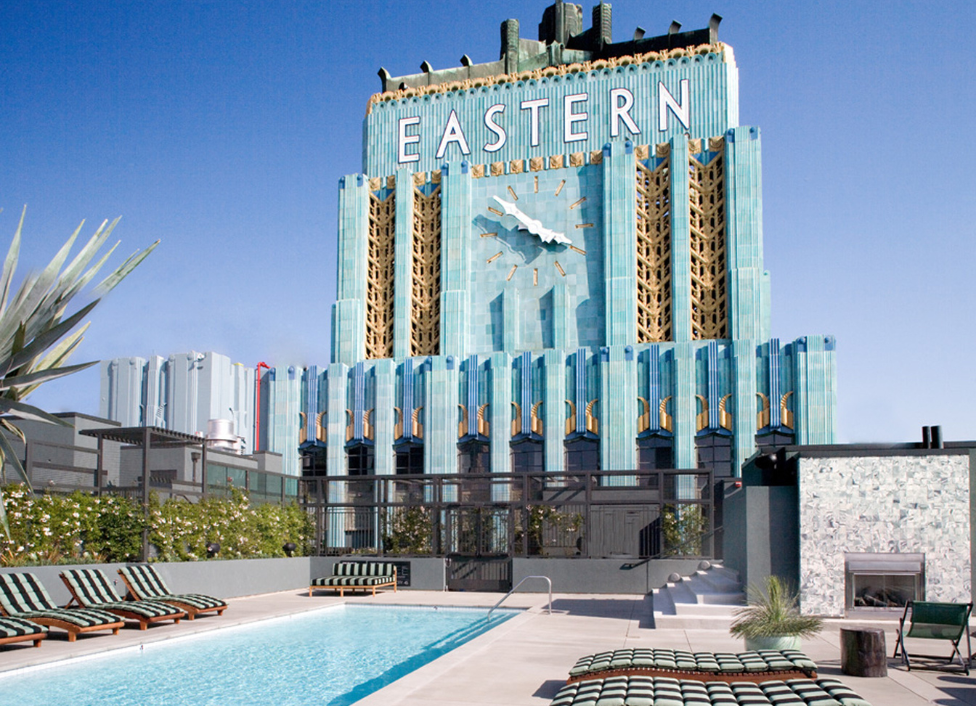
Photo Credit: Jim Simmons Photography
Spring ARCH TOUR FEST: Adaptive Reuse in Downtown Los Angeles with KFA
Information regarding the tour will be emailed directly to registrants 24 hours before the event.
KFA Architecture is presenting a 90-minute walking tour showcasing the transformation of historic buildings into vibrant housing, hospitality, and commercial spaces in Downtown Los Angeles. This tour will provide insight into the challenges and strategies involved in adaptive reuse while exploring some of KFA’s most notable projects.
KFA has been a leader in revitalizing the city’s historic core since spearheading the Adaptive Reuse Ordinance. With over 60 adaptive reuse projects completed, the firm continues to find new opportunities to reimagine existing buildings for modern use. Tour attendees will see firsthand how KFA integrates contemporary needs with historic preservation, addressing structural, accessibility, and sustainability considerations.
This tour is designed for both emerging professionals and seasoned architects interested in urban revitalization, preservation, and housing solutions.
Prior to the tour, attendees will be invited to a virtual presentation covering project histories, design strategies, and key lessons, allowing for a deeper discussion when on-site.
Tour Led by:
Tarrah Beebe, AIA, Senior Associate, KFA Architecture
Tarrah Beebe joined KFA in 2005 after earning her degree from USC and was promoted to Senior Associate in 2018. Her work focuses on community-based and hospitality projects, with extensive experience in adaptive reuse and historic renovations. Tarrah collaborates closely with clients, aligning with their vision to navigate the complexities of design and construction. Her adaptive reuse portfolio includes projects such as the Freehand LA Hotel, Soho Warehouse, and The Graduate Hotel in Seattle, where she has played a key role in restoring and transforming historic buildings for new uses. She values the challenge of integrating contemporary functionality while preserving architectural character.
Tarrah’s experience extends to educational environments, where she has worked with universities and schools to develop strong programming and thoughtful design solutions. She enjoys working with diverse stakeholders to create spaces that are both practical and enduring. Originally from Boston’s historic Charlestown neighborhood, Tarrah studied urban design in Tanzania as a Fulbright scholar. She has also taught in USC’s Building Science program and has coached club volleyball in Santa Monica for over a decade. Her collaborative approach and passion for adaptive reuse continue to shape meaningful projects at KFA.
Karen Filippe, AIA, Senior Associate, KFA Architecture
Karen Filippe is a Senior Associate at KFA with experience in both new construction and adaptive reuse projects throughout Los Angeles. A native Angeleno with a background in art history, she approaches design with an awareness of site context and architectural legacy. After earning her graduate degree from SCI-Arc, Karen began her career at Gehry Technologies, developing expertise in BIM modeling for large-scale international projects.
Karen has managed a variety of housing projects, including hospitality and affordable housing. Her adaptive reuse experience includes the NoMad Hotel LA and The Laurel Apartments, where she has worked to integrate contemporary uses into existing structures while respecting their original character.
Karen values collaboration throughout the design process and sees adaptive reuse as an opportunity to contribute to the evolving identity of Los Angeles. She is committed to projects that enhance the city’s built environment and looks forward to continuing KFA’s work in shaping thoughtful, context-driven spaces.
In addition to discussing project details, Tarrah and Karen will share how their experience with adaptive reuse has shaped their careers and leadership in the field.
Addresses, Parking, and Itinerary:
Please Park around the Old Bank District, where the tour will start.
Old Bank District: 400 S. Main Street, Los Angeles, CA 90013
– Exterior of Hellman Building, San Fernando Building, and Continental Building. Inside Old Bank or San Fernando Building.
Rowan Building: 460 S. Spring Street, Los Angeles, CA 90013
– Exterior view and lobby.
Spring Arcade Building: 541 S. Spring Street, Los Angeles, CA 90013
– Exterior views.
The Chapman Flats: 756 S. Broadway, Los Angeles, CA 90014
– Exterior and Lobby
Eastern Columbia Lofts: 849 S. Broadway, Los Angeles, CA 90014
– Exterior and Lobby
Freehand LA Hotel: 416 W. 8th Street, Los Angeles, CA 90014
– Exterior and Lobby
Hotel Per LA: 649 S. Olive Street, Los Angeles, CA 90014
– Exterior, lobby, vault bathrooms, mezzanine
Project Credits and Descriptions
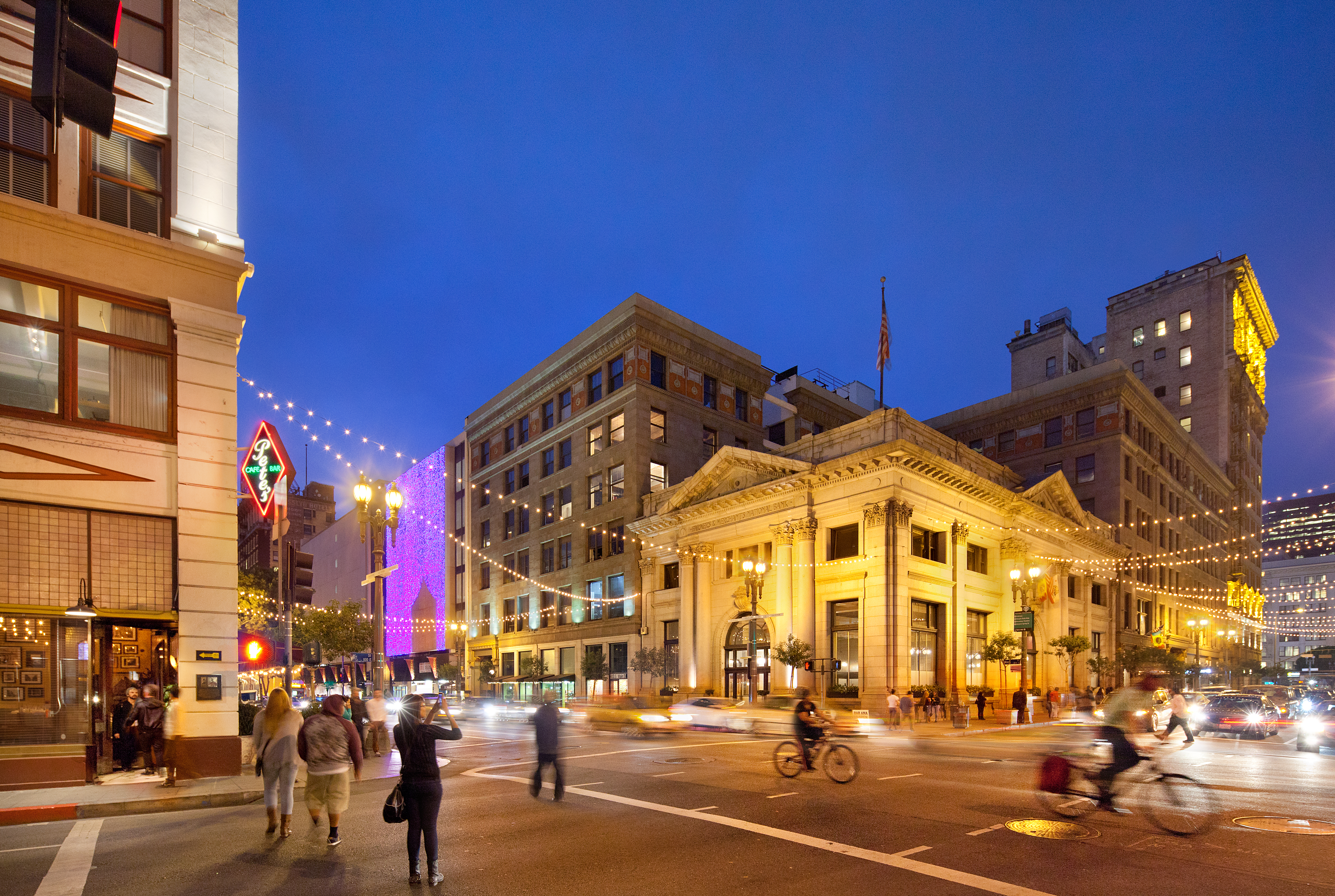
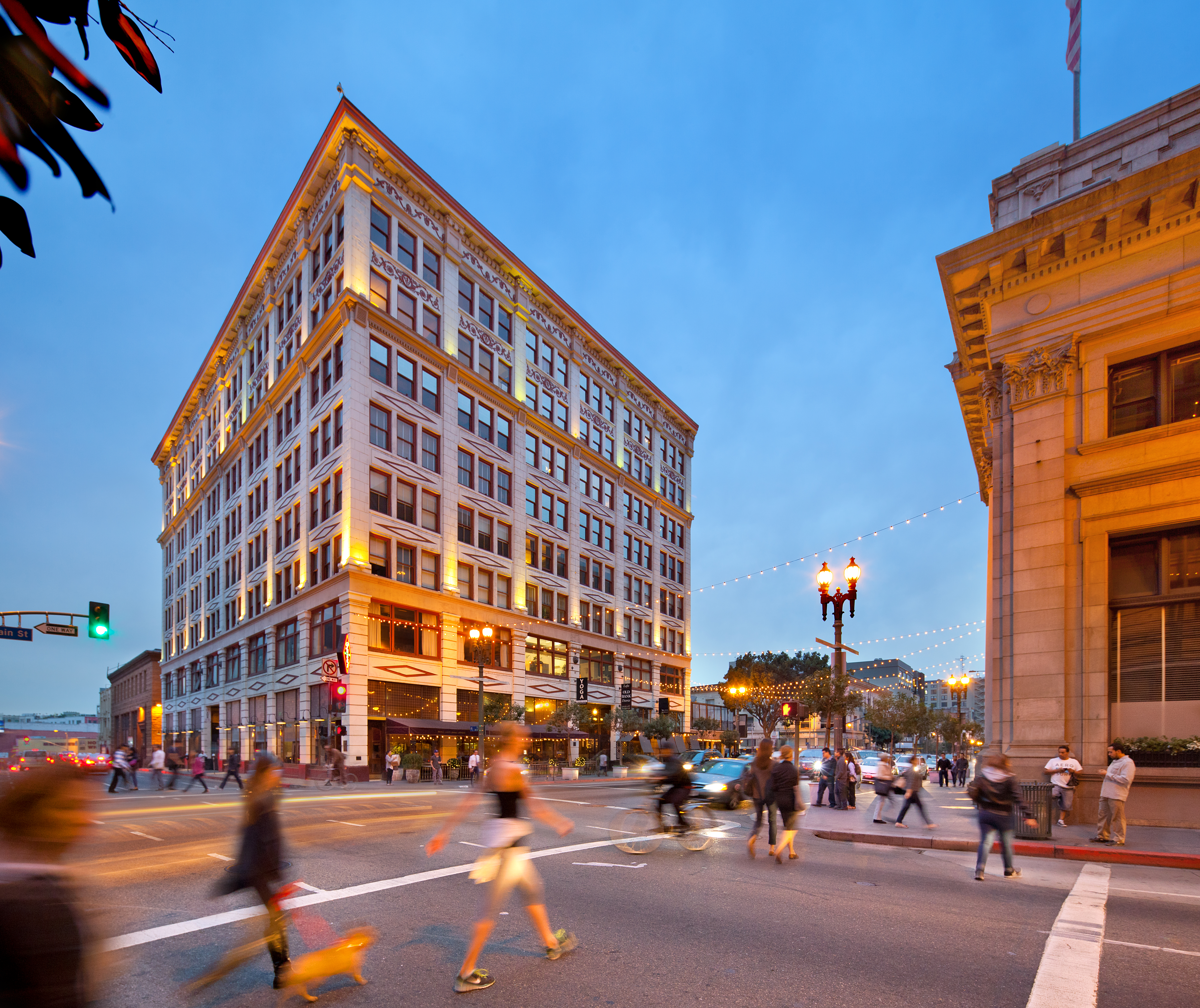
OLD BANK DISTRICT – Three Buildings
Hellman Building
Original Architect: Alfred F. Rosenheim
Construction Date: 1903–1904
Adaptive Reuse Developer: Tom Gilmore (Gilmore Associates)
Adaptive Reuse Completion: 2000
Adaptive Reuse Architect of Record (AOR): Killefer Flammang Architects
Area: 196,200 SF | Units: 110
Description: Originally designed by Alfred F. Rosenheim and completed in 1904, the Hellman Building was one of Los Angeles’ earliest steel-frame commercial buildings. Located at the corner of 4th and Main, it features Beaux-Arts detailing, a green terra cotta façade, and expansive street-level windows. In 2000, the building was adaptively reused by Gilmore Associates in partnership with KFA, transforming it into 108 loft-style residential units above active ground-floor retail. Today, the building anchors the Old Bank District and serves as a case study in the thoughtful preservation and reuse of early 20th-century commercial architecture.
San Fernando Building
Original Architects: John F. Blee (1907); Robert Brown Young & Son (1911 additions)
Construction Dates: 1907 (initial six stories); 1911 (additional two stories)
Adaptive Reuse Developer: Tom Gilmore (Gilmore Associates)
Adaptive Reuse Completion: 2000
Adaptive Reuse Architect of Record (AOR): Killefer Flammang Architects
Area: 126,325 SF | Units: 70
Description: The San Fernando Building, located at 400 S. Main Street in Downtown Los Angeles, was originally constructed in 1907 with an expansion in 1911, designed by architects John F. Blee and Robert Brown Young & Son. Exemplifying Italian Renaissance Revival architecture, the building features a grand lobby with 22-foot ceilings and intricate cornice detailing. In 2000, KFA collaborated with Gilmore Associates to adaptively reuse the structure, converting it into 70 loft-style apartments while preserving its historic character. Today, the building functions as a mixed-use property, offering residential lofts above ground-floor retail spaces.
Continental Building (formerly Braly Block)
Original Architect: John Parkinson
Construction Date: 1904
Adaptive Reuse Developer: Tom Gilmore (Gilmore Associates)
Adaptive Reuse Completion: 2000
Adaptive Reuse Architect of Record (AOR): Killefer Flammang Architects
Area: 90,950 SF | Units: 57
Description: Designed by John Parkinson and completed in 1904, the Continental Building was Los Angeles’ first skyscraper, rising 12 stories and establishing a new vertical scale for the city. The Beaux-Arts façade features terra cotta ornamentation and classical proportions that reflect the building’s early 20th-century commercial origins. Killefer Flammang Architects led the adaptive reuse effort with Gilmore Associates in 2000, converting the historic structure into 56 loft-style apartments while maintaining its architectural integrity. Today, the building is part of the Old Bank District and continues to serve as a residential community with active ground-floor retail.
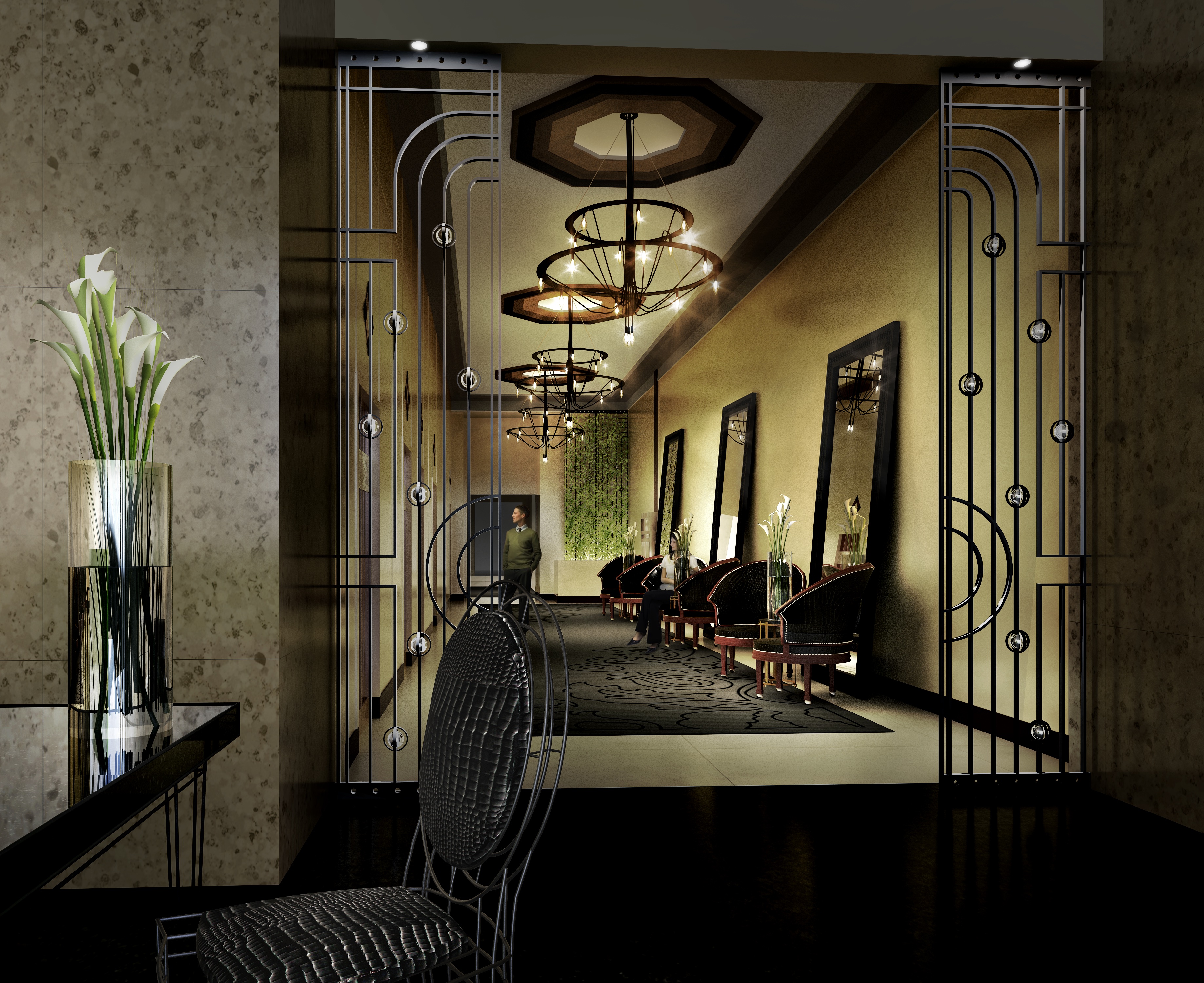

Rowan Building – 460 S. Spring Street, Los Angeles, CA
Original Architects: John Parkinson and G. Edwin Bergstrom
Construction Dates: 1911–1912
Original Developer: Robert A. Rowan, Sr., R.A. Rowan & Company
Original Use: Office building housing law offices and brokerage firms
Architectural Style: Beaux-Arts and Classical Revival
Adaptive Reuse Developer: Downtown Properties, Goodwin Gaw
Project Consultant: Tom Gilmore, Gilmore Associates
Adaptive Reuse Completion: 2008
Adaptive Reuse Architects of Record (AOR): Killefer Flammang Architects
General Contractor: City Constructors, Inc.
Interior Designer: Dodd Mitchell Design
Area: 280,300 SF | Units: 206
Description: The Rowan Building, situated at 460 S. Spring Street in Downtown Los Angeles, was originally constructed in 1912 and designed by architects John Parkinson and G. Edwin Bergstrom. This Beaux-Arts structure was adaptively reused in 2008, converting it into 206 live/work condominium units while preserving its historic features such as exposed brick walls and mahogany-framed windows. The building now offers residents amenities including a landscaped outdoor patio with hot and cold plunge pools, a resident lounge, and proximity to Spring Street Park.
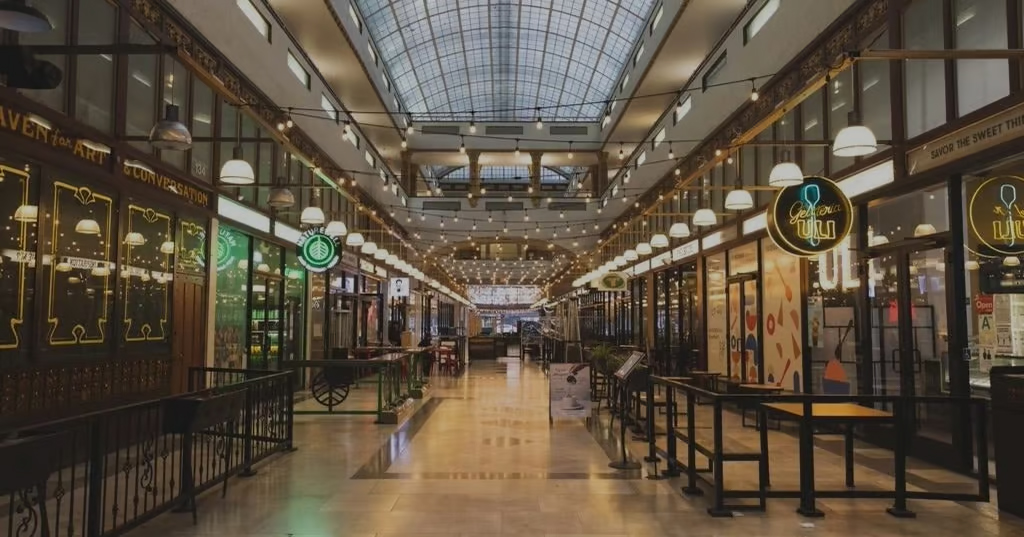
Spring Arcade Building (Broadway-Spring Arcade)
Original Architects: Kenneth A. MacDonald Jr. and Maurice C. Couchot
Construction Period: 1922–1924
Original Developer: Mercantile Arcade Realty Company, led by A.C. Blumenthal
Architectural Style: Spanish Renaissance and Beaux Arts
Adaptive Reuse Developer: Joseph Hellen (Hellen Investments)
Adaptive Reuse Completion: 2010
Adaptive Reuse Architect of Record (AOR): Killefer Flammang Architects
General Contractor: MDM Builders Group
Area: 229,628 SF | Units: 142
Description: The Spring Arcade Building, located at 541 S. Spring Street in Downtown Los Angeles, was originally completed in 1924 and designed by architects Kenneth MacDonald and Maurice Couchot. This 12-story structure comprises two towers connected by a three-level, skylit arcade inspired by London’s Burlington Arcade, creating a pedestrian passage between Spring Street and Broadway. In 2010, the building underwent an adaptive reuse transformation, converting it into 142 residential units while preserving its historic architectural elements. Today, it functions as a mixed-use property, featuring residential lofts above ground-floor retail spaces.
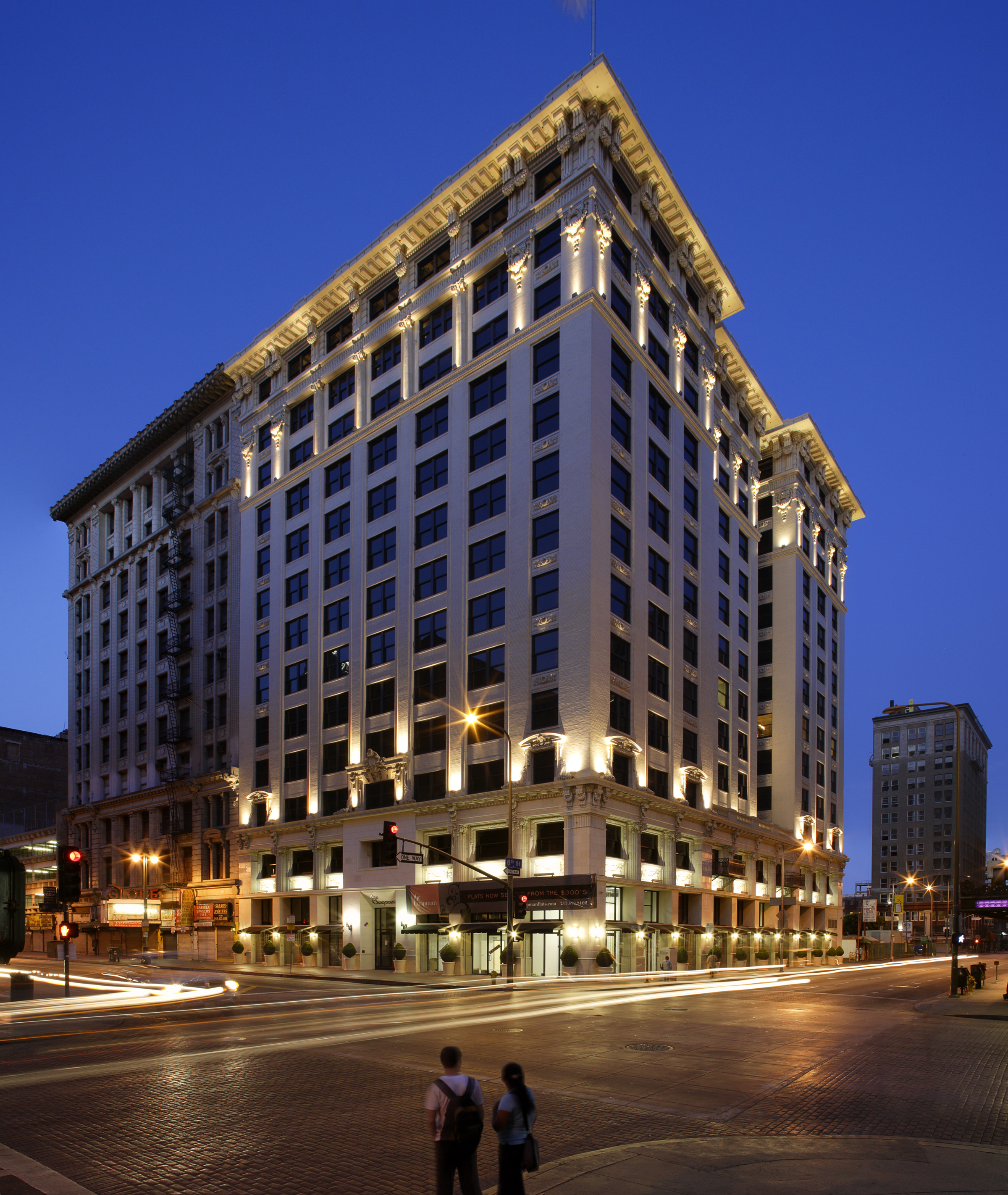
The Chapman building photographed for Killefer Flammang Architects.
Chapman Lofts – 756 S. Broadway, Los Angeles, CA
Original Architect: Ernest McConnell
Construction Date: 1912
Original Use: Office building
Architectural Style: Beaux-Arts
Adaptive Reuse Developer: Heritage Group Development
Adaptive Reuse Completion: 2008
Adaptive Reuse Architect of Record (AOR): Killefer Flammang Architects
General Contractor: MDM Builders Group
Area: 174,000 SF | Units: 168
Description: The Chapman Lofts, located at 756 S. Broadway in Downtown Los Angeles, is a 13-story Beaux-Arts building originally constructed in 1912. The adaptive reuse project, completed in 2007, transformed the historic structure into 168 residential units while preserving its architectural character. Today, the building functions as a mixed-use property, featuring residential lofts above ground-floor retail spaces that contribute to the area’s vibrant urban environment.
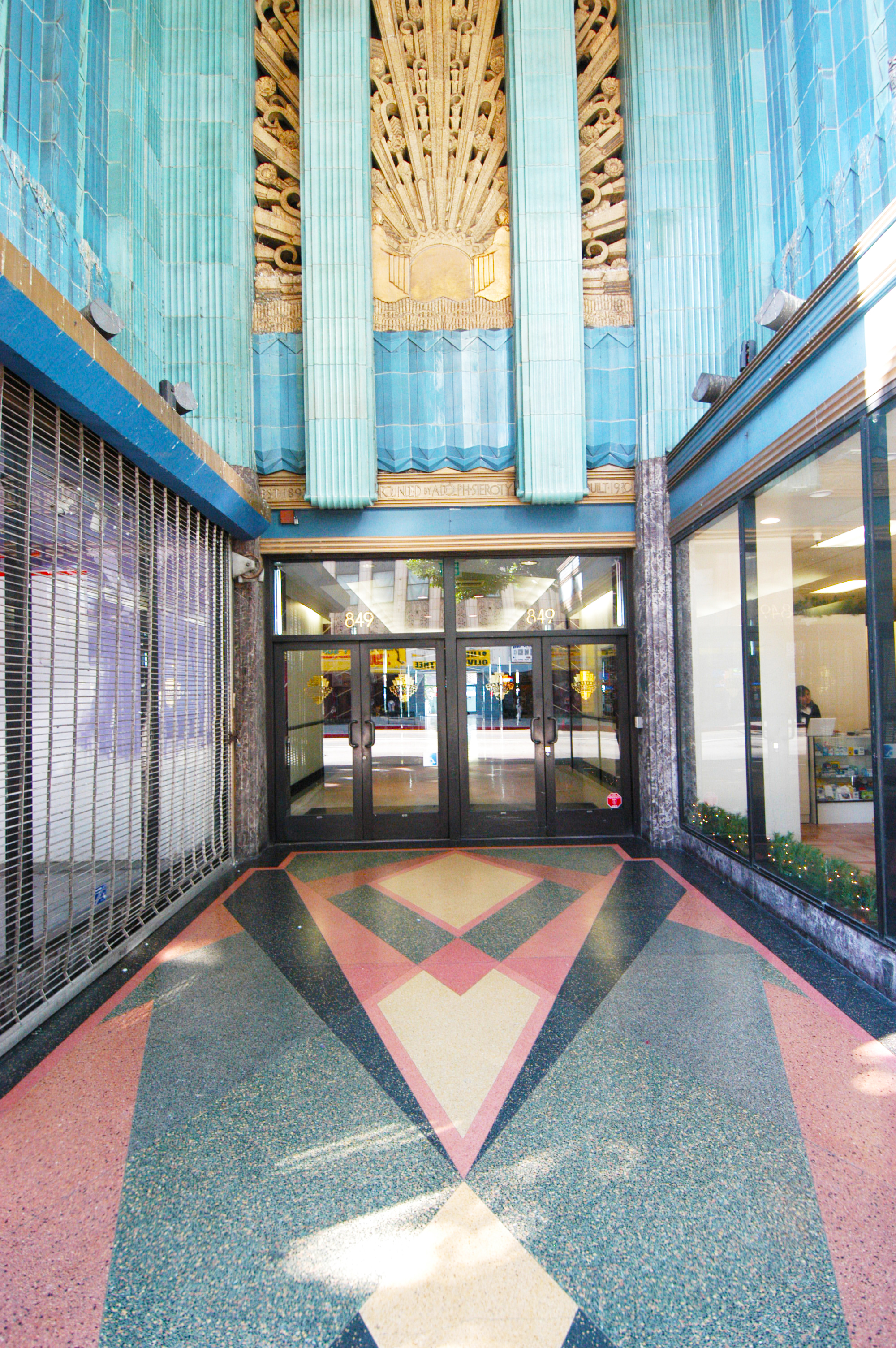
Eastern Columbia Building – 849 S. Broadway, Los Angeles, CA
Original Architect: Claud Beelman of the firm Curlett & Beelman
Construction Dates: Built in 1930; opened on September 12, 1930
Original Use: Headquarters and flagship store for the Eastern Outfitting Company and Columbia Outfitting Company
Architectural Style: Art Deco
General Contractor: J.V. McNeil Company
Adaptive Reuse Developer: The Kor Group
Adaptive Reuse Completion: 2006
Adaptive Reuse Architect of Record (AOR): Killefer Flammang Architects
Interior Designer: Kelly Wearstler Interior Design
Area: 270,000 SF | Units: 147
Description: The Eastern Columbia, a magnificent blue-green terra cotta building and downtown landmark, has been transformed from a long-abandoned clothing warehouse into condominiums. Located at 9th Street and Broadway, the project provides 147 light-filled flexible lofts from 880 SF to 3,200 SF. Concrete floors and ceilings up to 14 feet high are offered in a variety of unit types, including two-story units with private decks, three-story units, and a spectacular fourstory unit. The north and west facades now showcase newly installed windows
and balconies that seamlessly blend with the building’s historic character. The main lobby entrance off Broadway remains, grounded by the original restored terrazzo sidewalk and entryway, and a new landscaped court provides access from the parking area. A rooftop leisure terrace, under the famous Eastern clock tower, offers a fitness center, a pool, a spa, a sun deck and an outdoor fireplace.
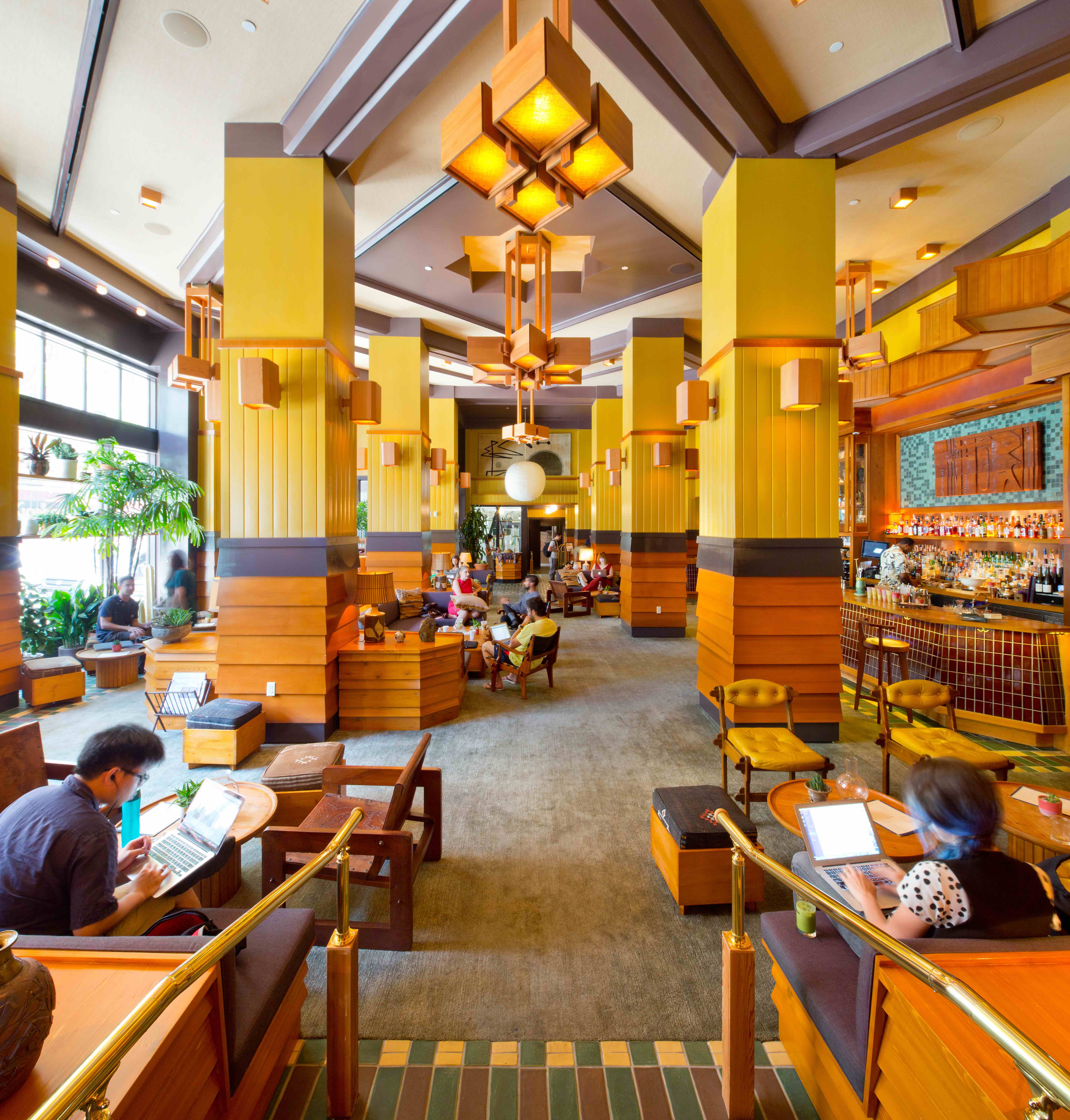
Commercial Exchange Building / Freehand Los Angeles Hotel
Original Architects: Albert R. Walker and Percy A. Eisen (Walker & Eisen)
Construction Date: Completed in 1924
Original Use: Office building with ground-floor retail
Architectural Style: Renaissance Revival with Beaux-Arts influences
Original Developer: Rudolph Rosenberg of the Eighth and Olive Holding Company
Original General Contractor: William Simpson Construction Company
Adaptive Reuse Developer: The Sydell Group
Adaptive Reuse Completion: June 2017
Adaptive Reuse Architect of Record (AOR): Killefer Flammang Architects (KFA)
Interior Designer: Roman and Williams
Area: 116,230 SF | Keys: 226
Description: Freehand LA is the rehabilitation and adaptive reuse of the Commercial Exchange Building into New York-based Sydell Group’s boutique hotel in Downtown Los Angeles. A 226-unit hotel with a range of room types from standard king rooms to rooms that accommodate up to 8 bunks, the project caters to group, international, and youth travelers. It includes a ground floor restaurant and three bars, including one on the rooftop pool deck.
Bank of Italy Building / Giannini Place / Hotel Per La
Original Architect: Morgan, Walls & Clements
Construction Date: Completed in 1922; dedicated in 1923
Original Developer: Bank of Italy (founded by Amadeo P. Giannini)
Original Use: Los Angeles headquarters for the Bank of Italy, a predecessor to Bank of America
Architectural Style: Neoclassical, featuring Doric columns, ornate golden-coffered ceilings, marble floors, and bronze doors adorned with terra cotta medallions depicting American coins
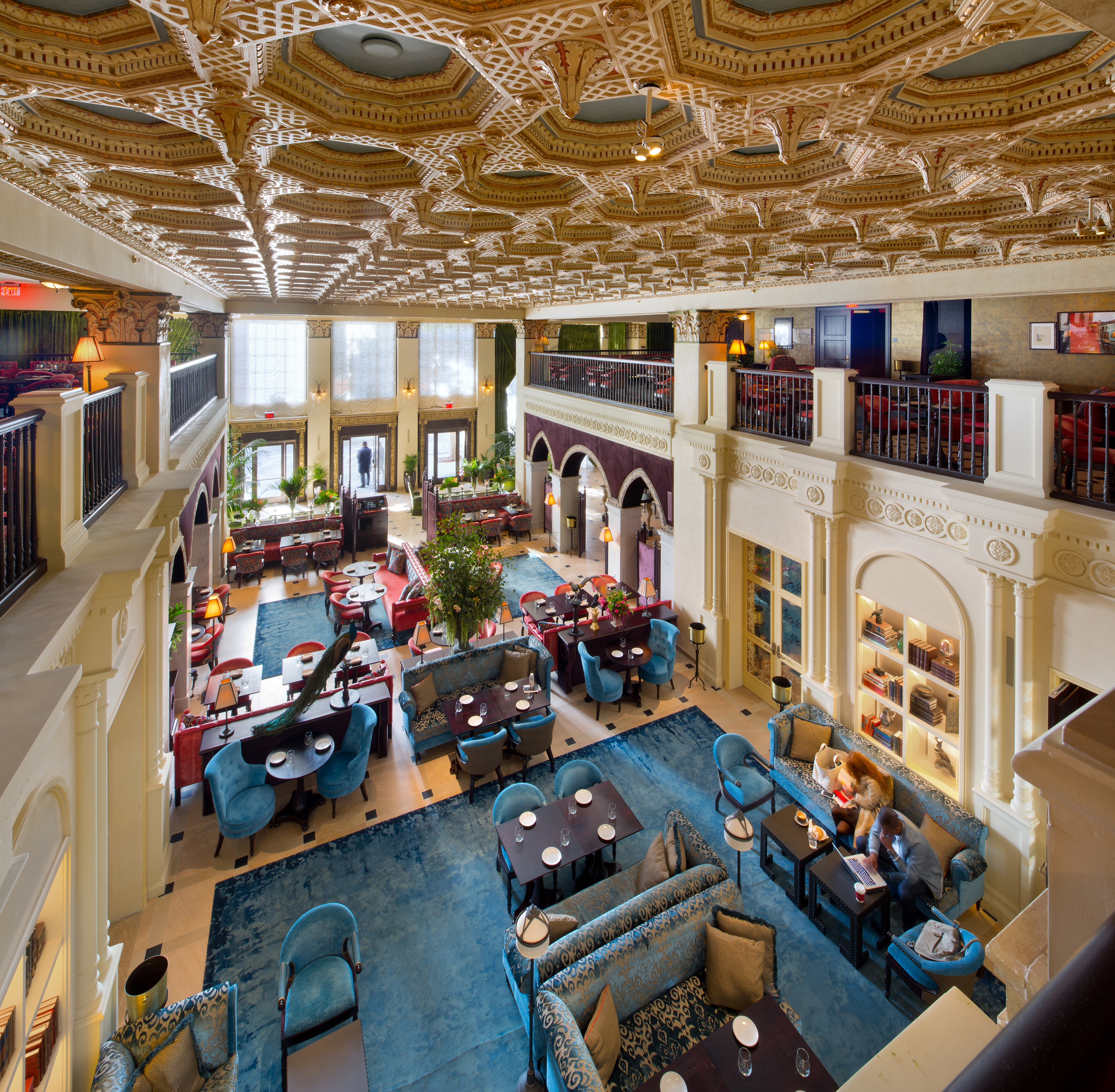
Adaptive Reuse: NoMad Hotel (2015–2018)
Adaptive Reuse Developer: Sydell Group
Adaptive Reuse Completion: January 2018
Adaptive Reuse Architect of Record (AOR): Killefer Flammang Architects (KFA)
General Contractor: Shangri-La Construction
Restoration Contractor: Spectra Company
Interior Designer: Jacques Garcia
Hotel Per La (2022–Present)
Rebranding and Reopening: Following the closure of the NoMad Hotel in 2020 due to the COVID-19 pandemic, the property was reimagined and reopened as Hotel Per La in 2022
Area: 165,169 SF | Keys: 241
Description: The 1922 Bank of Italy building in Downtown LA was transformed by Sydell Group into a luxury hotel with thoughtfully curated amenity spaces. The former bank lobby now serves as the hotel’s main restaurant and bar, while the rooftop offers a pool and event space. This project played a pivotal role in revitalizing the 7th Street corridor as a destination for dining, hospitality, and entertainment.
Learning Objectives
- Examine the role of adaptive reuse in urban revitalization, including how repurposing existing structures supports sustainability by reducing demolition waste and embodied carbon.
- Analyze the challenges of updating historic buildings to meet modern building codes, accessibility standards, and energy efficiency requirements while maintaining their architectural integrity.
- Identify key design strategies used in adaptive reuse projects to enhance occupant health, safety, and comfort, such as improved daylighting, ventilation, and seismic retrofitting.
- Compare the preservation strategies applied to historic buildings with new construction methods to understand how adaptive reuse balances contemporary functionality with historic character.
- Discuss the collaborative process among architects, developers, preservationists, and city officials in navigating regulatory approvals and incentives for adaptive reuse projects.
- Evaluate the long-term impacts of adaptive reuse on urban density, housing affordability, and economic development in Downtown Los Angeles.
Parking Information:
Attendees will need to arrange their own transportation and parking in Downtown Los Angeles. It is suggested that attendees park near the first or last stop on the tour.
Old Bank District: 400 S. Main Street, Los Angeles, CA 90013
or
Hotel Per LA: 649 S. Olive Street, Los Angeles, CA 90014
There are multiple paid parking lots available along the tour route. We also encourage the use of public transportation, as there is a Metro stop near the first stop in the Old Bank District and another near the final stop at Hotel Per La. Additionally, rideshare services such as Uber and Lyft are convenient options for those who prefer not to drive or park in the area.


